Workstation
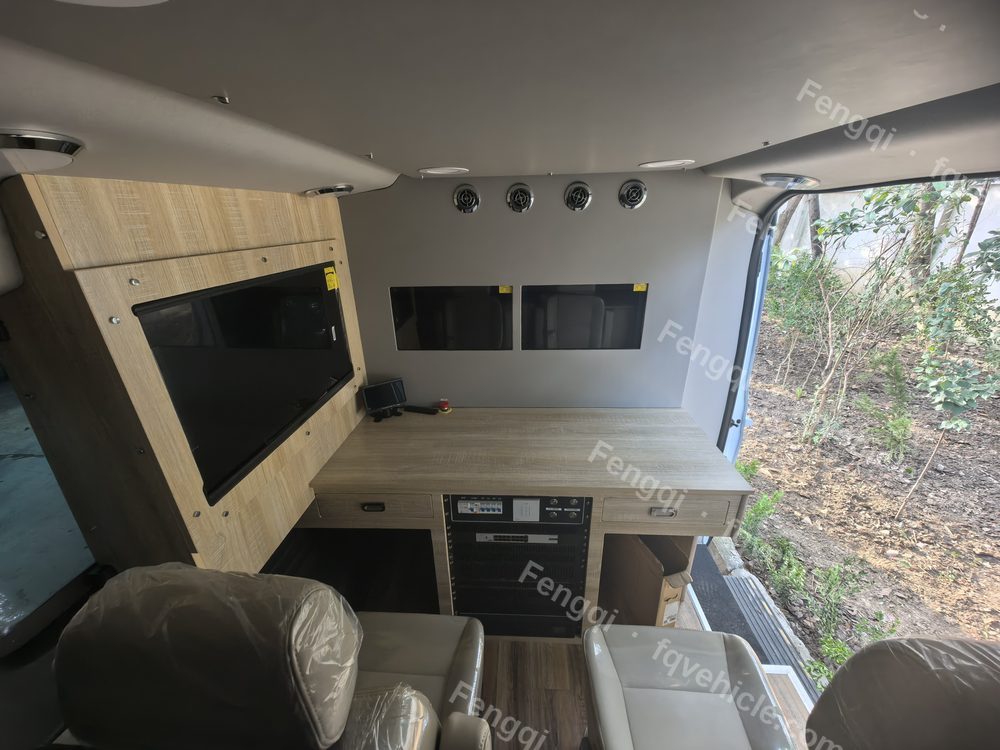
Seat, screen and desk need usable reach and room to work.
We don't just put radios in a van. We engineer a working mobile command system — command workstations, communications, power and situational awareness — onto a chassis you choose, built to your specification.


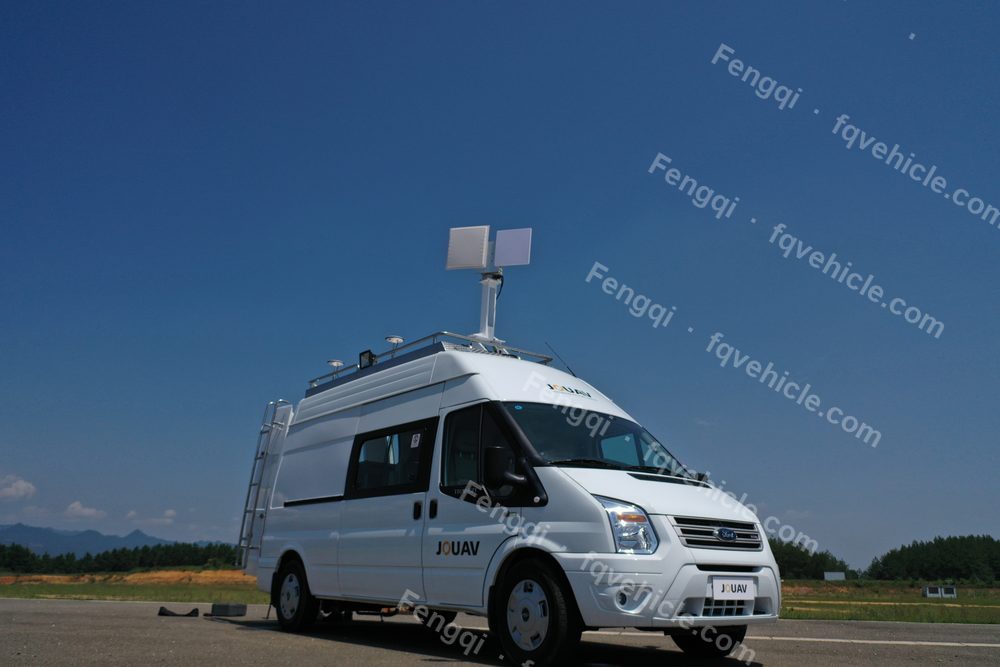
Satellite backhaul for the command post. Specify parked or on-the-move operation and the communications service before selecting the antenna.
A command vehicle is defined by the mission it serves, not the chassis underneath. These are the jobs our builds are made for.
Coordinate multi-agency response on scene — fire, flood, earthquake. A command post that moves with the operation.
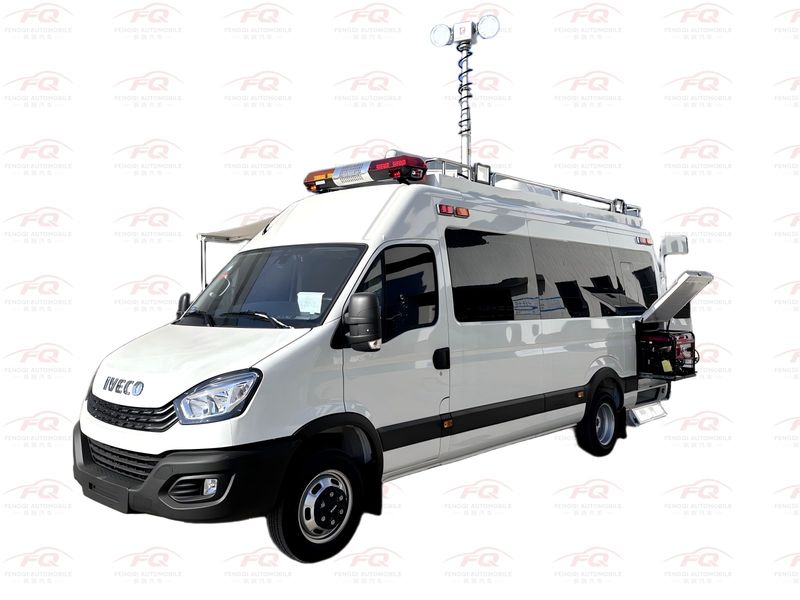
Mobile command for major events, VIP movement and crowd-control coordination, with live video back to a rear center.
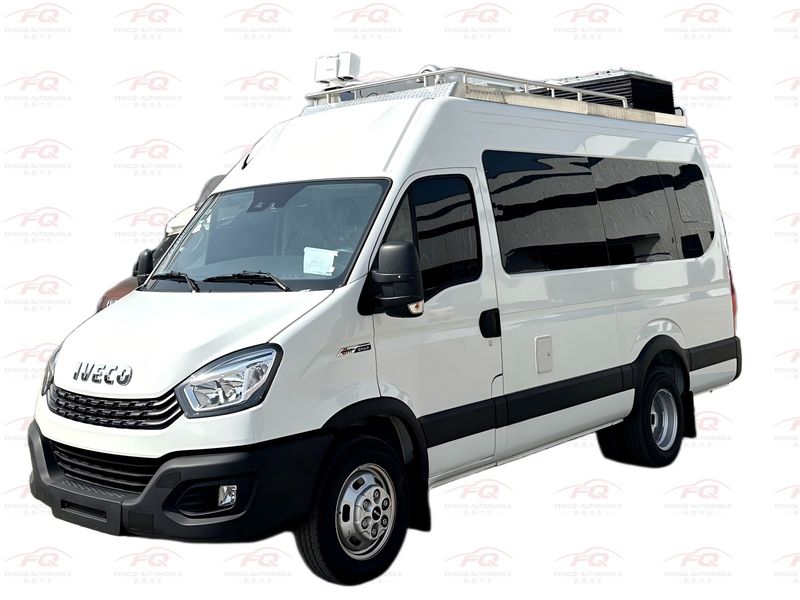
Plan remote-site work around available communications and utilities: how the team receives information, how long it operates and what power is available. Specify the terminal and service arrangement before selecting roof equipment or onboard power.
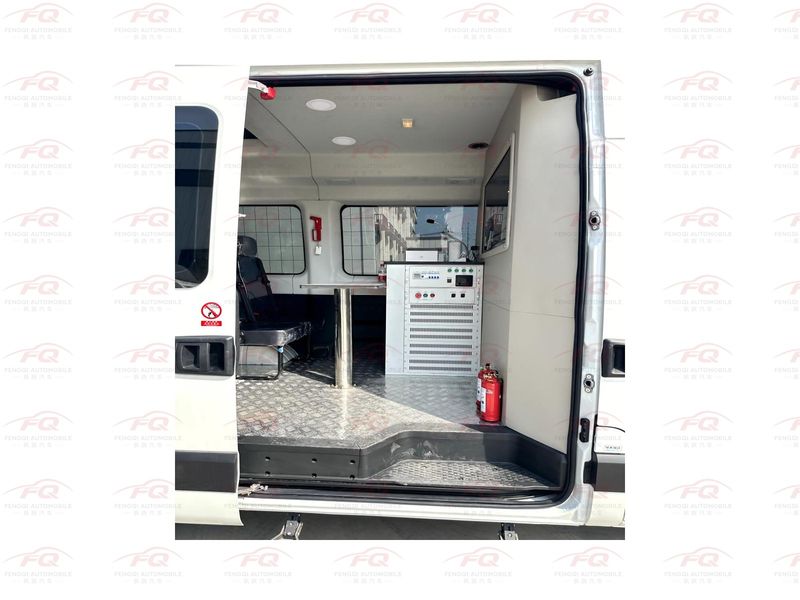
Arrange the operator position, ground-control equipment and aircraft stowage around the actual operating sequence. Identify what is used inside, what is deployed outside and what must remain accessible during transport and maintenance.
These are six areas to review together when defining a command vehicle. The equipment list and supply responsibilities are agreed for each build; not every vehicle needs every system.
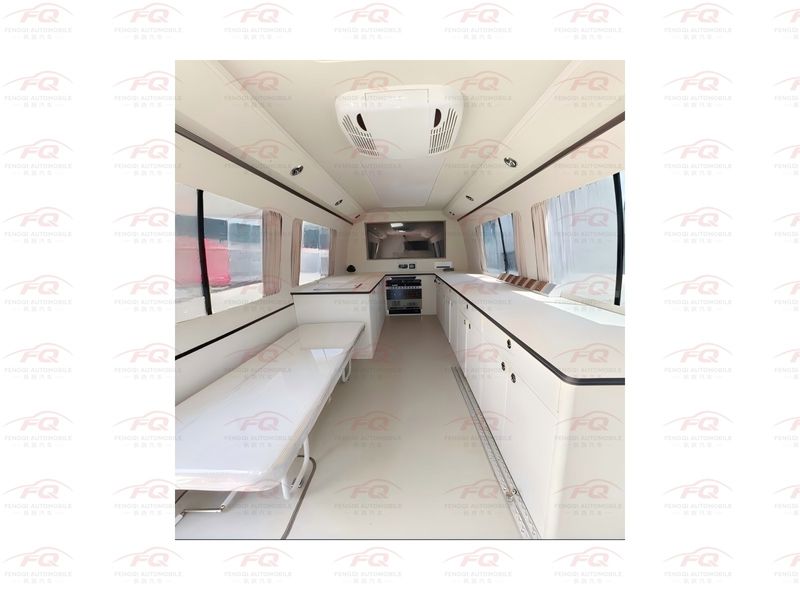
Ergonomic desks, seating and equipment consoles, laid out around how the team actually operates.
VHF/UHF radio, satcom terminal, 4G/5G and mesh ad-hoc network for beyond-line-of-sight links.
Generator, UPS and inverter with clean distribution, grounding and cable management.
Video wall and situational-awareness screens, CCTV and PTZ camera feeds.
Air-conditioning, heating, air filtration and interior lighting for long shifts.
19-inch racks, slide-out trays, shock mounts and secure stowage.
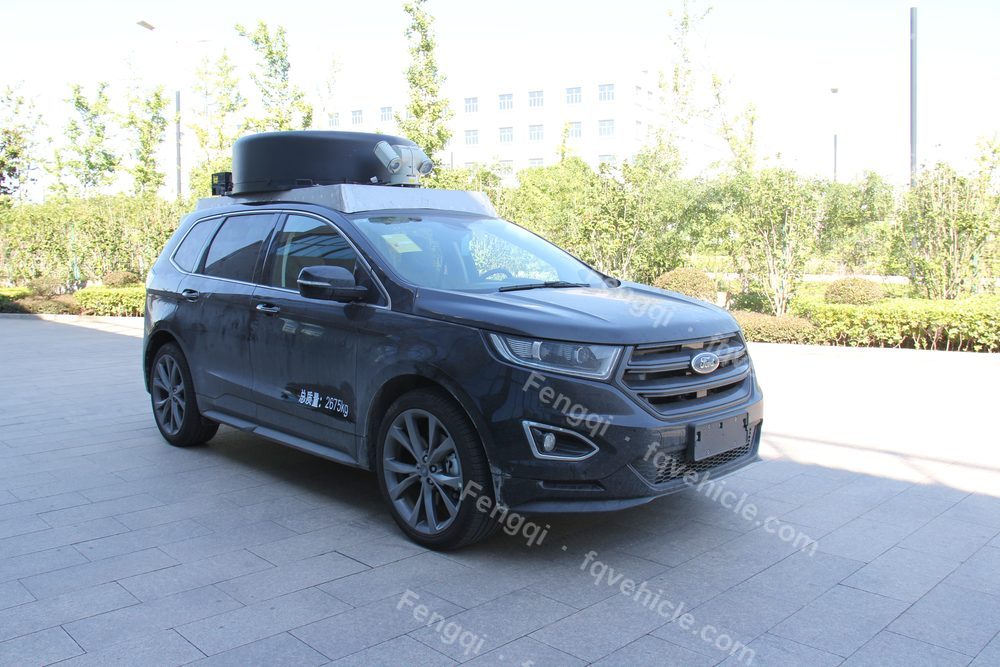
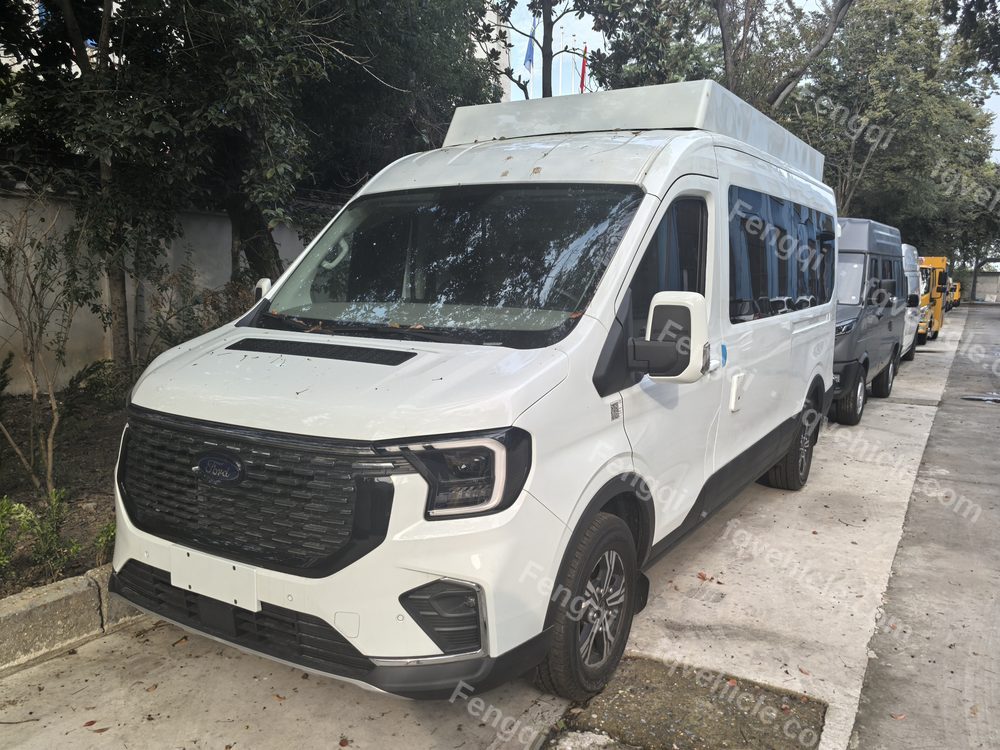
The examples below include pickup, van and bus platforms. Choose the base around operator count, equipment mass, working space, roads and destination requirements. A familiar chassis name alone does not confirm that a particular configuration fits.
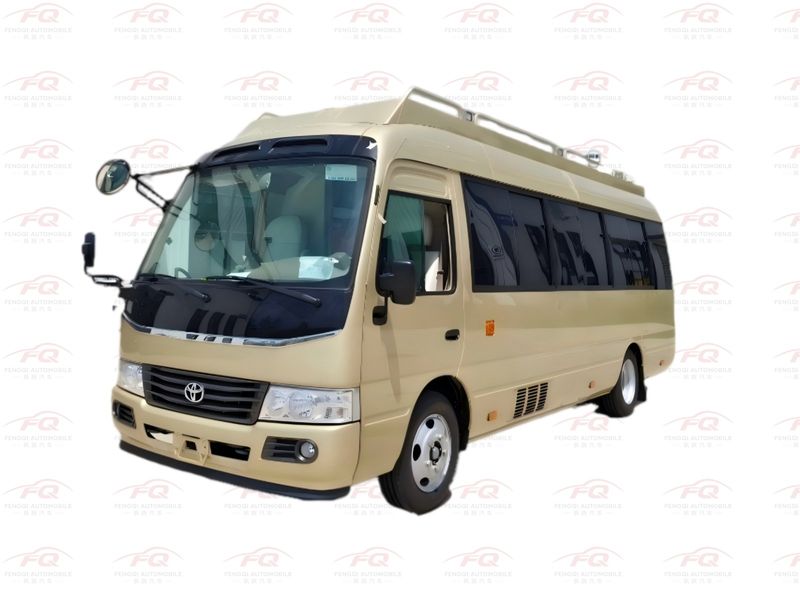
7m Mobile Command Post for Emergency & Event Security
Built on the 7 m Toyota Coaster bus with AV conferencing, PTZ surveillance and a lifting mast — engineered for emergency and major-event security command.
View details →5t Mobile Command Post with AV Conferencing
IVECO Daily 5 t command post with audio-video conferencing, rear-center video return and situational-awareness displays for on-scene coordination.
View details →4t Lightweight Mobile Command & SATCOM Platform
Lightweight 4 t platform with an elevating satcom antenna, ad-hoc mesh network and conference terminals. Terminal selection, coverage and service availability require project review.
View details →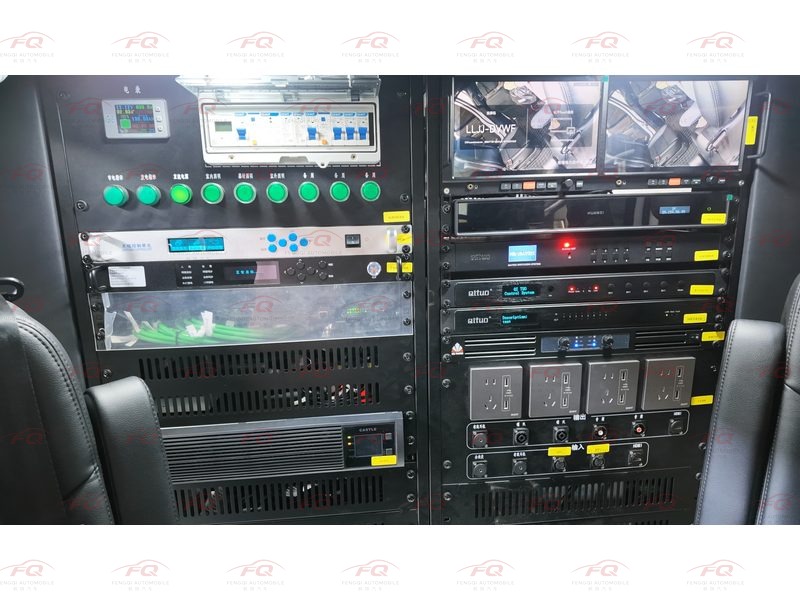
US-spec Ford F-150 SuperCrew 4×4 pickup conversion. The documented project included adapting 110 V / 60 Hz vehicle power to 220 V / 50 Hz command equipment; the delivery video shows the completed vehicle.
View details →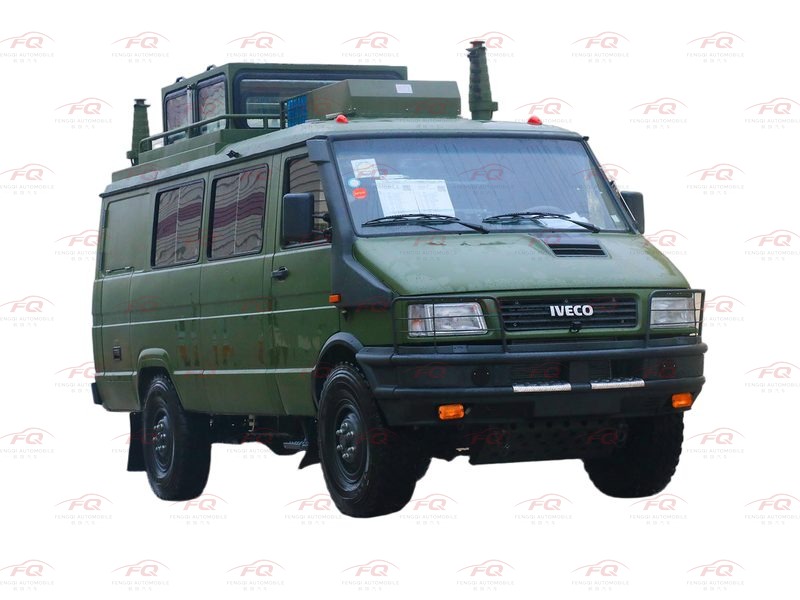
Command conversion on the IVECO NJ2045GFC2 4×4 cargo-truck chassis. This truck-based example is a different starting point from the van and bus layouts; body arrangement, equipment load and access are specified around the task.
View details →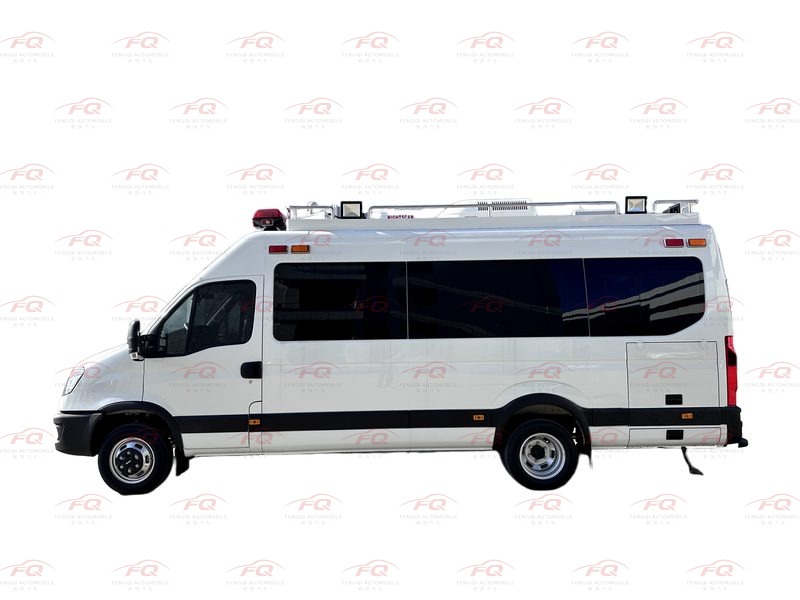
Rear Equipment Cabinet Layout
Approximately 7 m IVECO Daily M2-39 command conversion with a meeting/work area and a rear equipment cabinet arrangement. Rear-door photos show cabinet access and installed cabling. It is a different interior layout from the other 39-series example.
View details →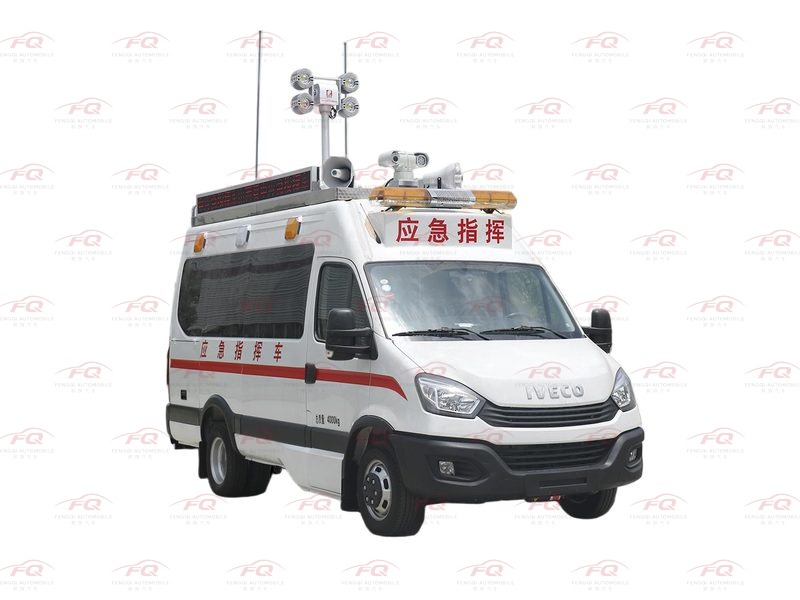
Approximately 5.99 m IVECO Daily M2-33 command conversion. Compare the required meeting/operating space and equipment footprint with the longer 39-series versions before choosing the layout; the equipment package is project-specific.
View details →This delivered van interior shows how a workstation, equipment position and access route share the available space. Plan power, cooling and cable routing around the actual devices.
 010203
Seat, screen and desk need usable reach and room to work.
Cabinets and equipment access must remain usable after installation.
Keep the door, circulation and service access clear.
| Information to provide | Why it affects the build | If not yet known |
|---|---|---|
| Operators and shift length | Define workstations, seating, storage and environmental needs. | Team size + tasks |
| Devices and interfaces | Identify mounting, input power, heat and cable connections. | Equipment list and data sheets |
| Communication/software scope | Separate physical integration from terminal, software, protocol and network services. | Mark customer/supplier items |
| Testing and handover | Agree which interfaces and functions will be checked and demonstrated. | Project acceptance priorities |
Send a reference photo or write “please advise”. We can identify the next information needed before a firm specification is agreed.
These are real builds we have delivered. Each one started from a mission, not a catalogue.
The vehicle conversion can be a separate contract, part of a turnkey supply or a specialist package within a larger project. Confirm the delivery arrangement before allocating equipment and integration responsibilities.
The buyer appoints the awarded vehicle and equipment suppliers to work together on interfaces, installation and integration.
The customer gives the requirement to a prime contractor, which coordinates the participating equipment suppliers and the vehicle conversion.
The overall contractor places the specialist vehicle scope with a converter. The vehicle package must follow the wider project’s equipment interfaces and acceptance requirements.
Before layout approval, agree the equipment list and suppliers, mounting and utility interfaces, delivery dates, commissioning tasks and acceptance responsibilities.
We build to specification and support export. Delivery options: CBU (complete vehicle), SKD or CKD. We provide export documentation and destination-market certification support, genuine commercial invoices at true value, spare parts, and remote technical support after delivery.
Every unit engineered around your chassis, equipment list and target market.
CE marked where required; road-legal feasibility checked before production starts.
Body fabrication, upfitting and integration are combined with purchased chassis and specialist equipment. Qualified manufacturing partners participate where required by the project.
Documented bill of materials and global shipping of wear parts.
It is a vehicle engineered so an incident or operations commander can coordinate response on scene — command workstations, communications, power and situational-awareness systems integrated as one working system. The class is defined by the integrated mission systems, not the chassis.
For satellite communications, first specify whether the link is needed while parked or while moving, the destination and the terminal. Antenna mounting, roof space, power, cable routes and operator access are reviewed around that equipment. Coverage, service subscriptions and terminal commissioning must be assigned in the project scope.
Start with the aircraft and ground-control equipment models, operator count and the equipment supplier’s interface requirements. The vehicle layout must accommodate consoles, screens, storage, power and cooling while preserving access. Aircraft control software, data links and flight functions need their own agreed supplier and acceptance checks.
The examples below include pickup, van and bus platforms. Choose the base around operator count, equipment mass, working space, roads and destination requirements. A familiar chassis name alone does not confirm that a particular configuration fits.
Yes, and we start from how your team works inside: how many operators, what they do, for how long. Seating, workstations, circulation, storage and equipment access are planned before any metal is cut.
Provide device models, installation manuals, dimensions, weights, supply voltage, heat output and connection details for customer-supplied equipment. Agree delivery dates and who provides cables, mounts, configuration and commissioning. The quotation should identify the supplied items and the interfaces to be checked at handover.
Yes. We build to specification and support export documentation and destination-market certification. Commercial invoices are at true value — no under-declaration.
The programme is scheduled after the chassis and equipment sources, layout, installation interfaces and acceptance work are confirmed. Customer-supplied equipment and imported chassis can affect the start of integration. Production, equipment delivery and shipping should be planned separately.
Tell us your chassis preference, target market and equipment list. We respond within 2 business days.