Roadside / fleet van
Compact tool layout, access and routine service needs.
Specify the tyre service task, then select the vehicle and equipment integration. Real examples and a practical input checklist for roadside and fleet work.
View the related project →Compact tool layout, access and routine service needs.
Handling, tooling, working space and loading require individual review.
Distinguish an electric base vehicle from electrically powered auxiliaries; assess energy, charging and duty cycle.
A compact roadside van and a heavy-tyre workshop need different working space, handling arrangements and utility loads. Confirm the tyre and tool requirements before committing to a chassis or a fixed equipment package.
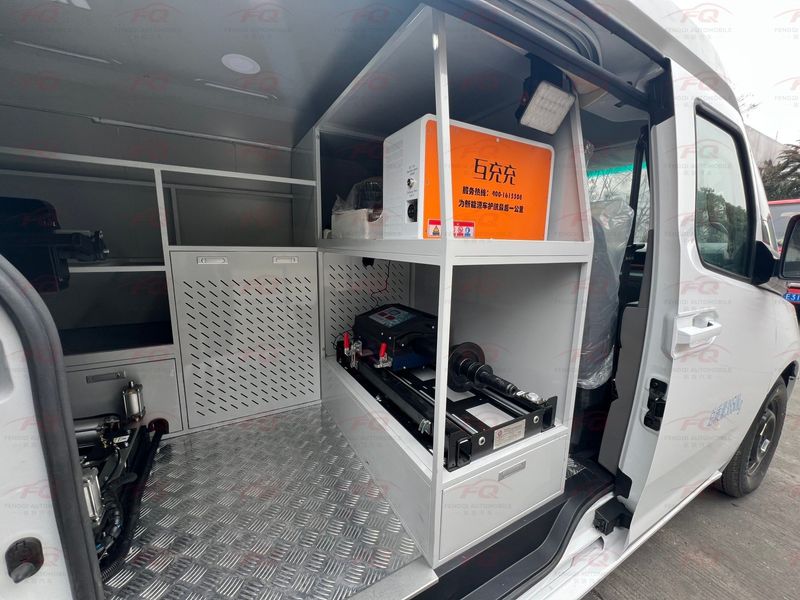
Largest tyre size and mass, service task and intended handling method.
Tool models, simultaneous use, required air pressure/flow and electrical load.
Installed mass, carried stock, axle loading, access and operator movement.
| Information to provide | Why it affects the build | If not yet known |
|---|---|---|
| Tyre size, mass and service task | Sets tool and handling requirements; do not choose by vehicle appearance alone. | Largest tyre + reference photo |
| Tool models and simultaneous use | Determines space and air/electrical demand. | List required tools |
| Air pressure/flow and power | Size utilities from supplier ratings and duty cycle, not a universal compressor or generator figure. | Tool data sheets |
| People, stock and destination | Review remaining payload, storage and access in the working environment. | Crew + carried stock + site |
Send a reference photo or write “please advise”. We can identify the next information needed before a firm specification is agreed.