Four Months for One Truck. We Have Been on Both Sides of That Wait.
An F150 command vehicle took four months to land, then hit a new regulation and a 110V/220V electrical mismatch. What four months of waiting taught us about building for export — and why lead time is the one thing we can't control.
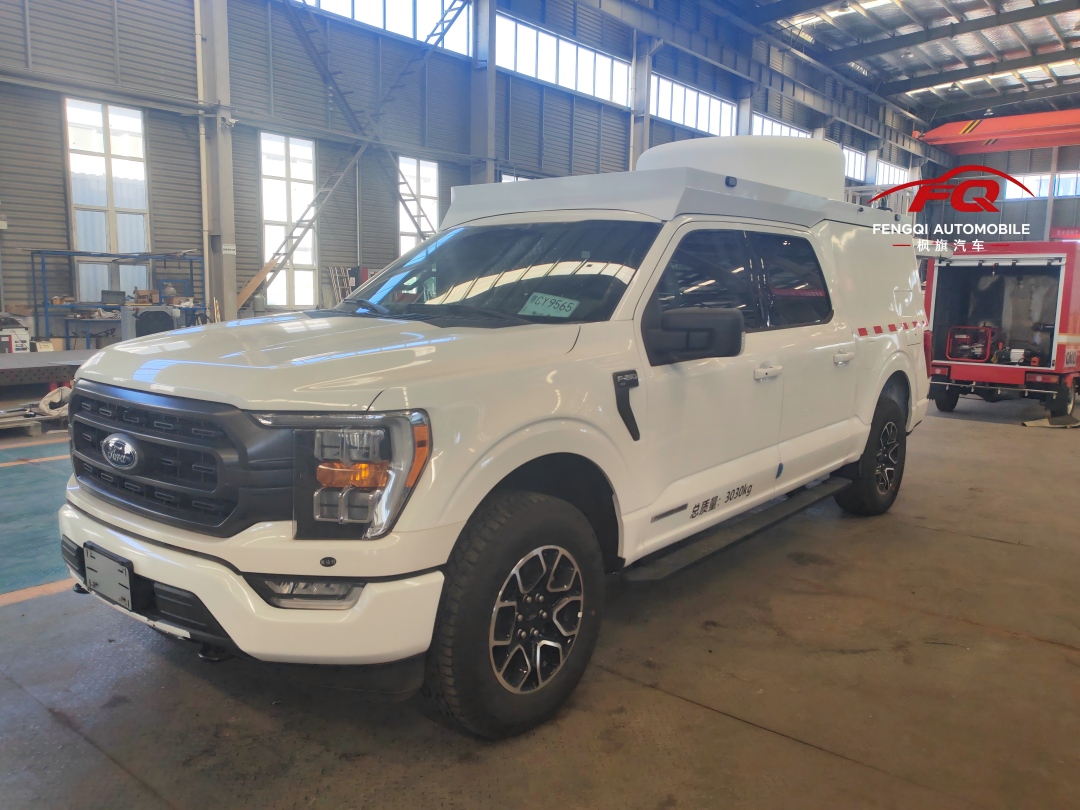
Four Months for One Truck. We Have Been on Both Sides of That Wait.
What four months of waiting, a regulation change, and a voltage mismatch taught us about standing on both sides of the border
Published by Fengqi Automobile · 6 min read · Published September 2026
We took on an F150 command vehicle. Imported, not domestic. On paper it looked like a normal job.
It started with waiting.
The first wait
The base vehicle comes into China through one or two importers. That is how this market works. We placed the order and waited for a ship. Four months. Part way through, the sailing schedule slipped. Then tariffs moved. None of it was ours to control. Shipping and logistics belong to someone else. You wait, and you keep the client informed.
The regulation landed on top of us
Then the second thing. We landed right on the edge of a new regulation taking effect. The vehicle had to meet it to be legal on the road here. Tests we thought were finished had to be run again.
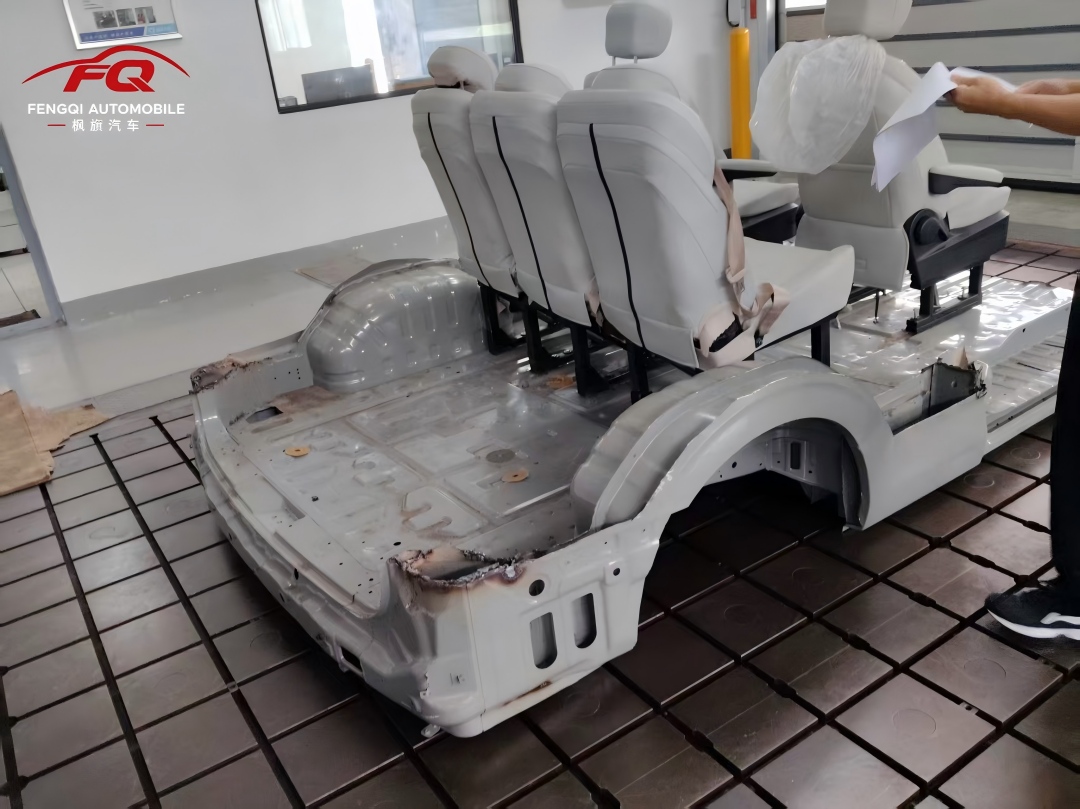
For the seat safety test we did not strip down the vehicle we were building. We used a separate white body for it. Seat anchorage strength, belt anchor points — the regulation wants the real vehicle environment simulated, so testing the seat on its own is not enough. Bare body went onto a test platform, seats bolted straight onto it. Ugly photo. That is what the test needed, so that is what we did.
The electrical side
The third one was electrical. The original generator and the electrical parts belong to the vehicle as a complete unit, and the regulation says we cannot change them. So we could not modify them. We had to adapt instead. 110V 60Hz on one side, 220V 50Hz on the other.
For ordinary power, that part is not hard. You convert and it runs.
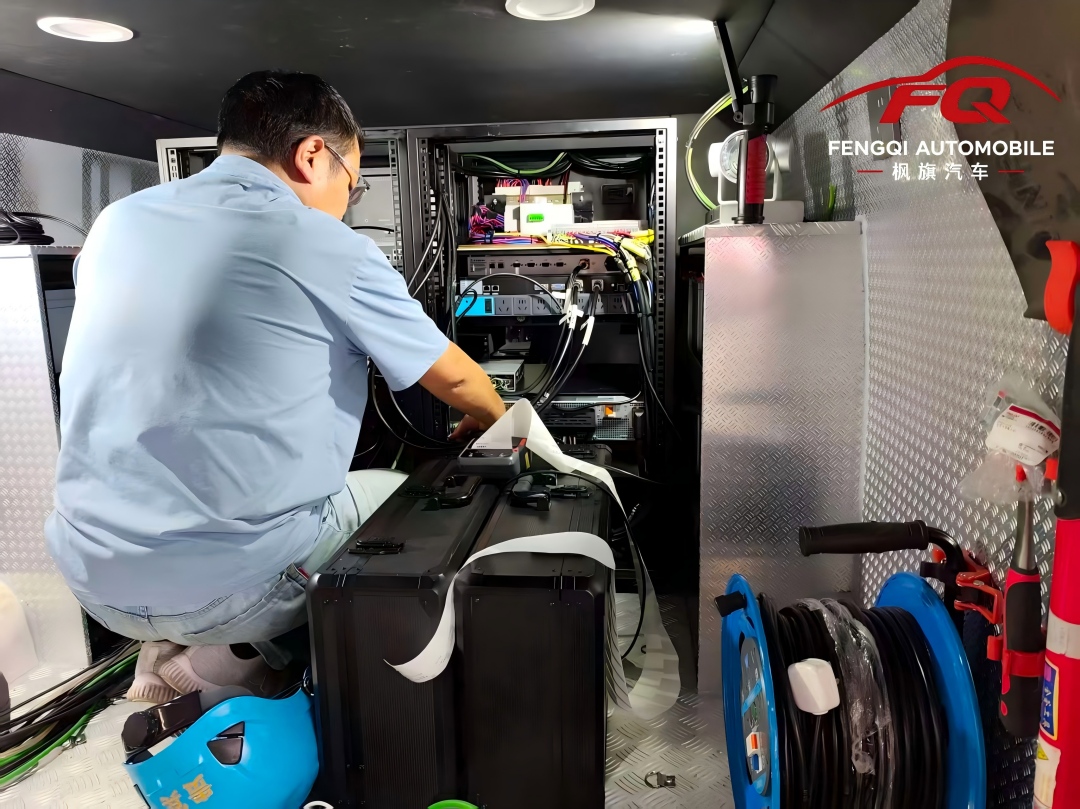
The command system is where it breaks. Connect it and problems show up. Interference, and voltage drop when the load changes. The waveform matters too. A general conversion is not enough. It needed tuning specifically against the US standard system. Our electrical team worked it out. Not a long job, but only if you know where to look.
No method, no system
There was nothing clever about any of this. No method, no system. We hit problems and handled them. Experience is just the total of the holes you have already fallen into.
Why any of it matters
It runs in both directions. What we went through as an importer is what our export clients go through, with the roles switched.
When we build for another country, we put the local regulation and certification into the plan at the start, instead of discovering it at delivery. We adapt voltage, frequency and interfaces to the destination before we start, instead of leaving the buyer to find an electrician. Those we can solve.
Lead time we cannot. We have always known that. Four months of waiting just made it concrete. Shipping is not ours to run. All we can do is share what we know as soon as we know it. Honestly, that is the same for anyone exporting.
Clients rarely need just the vehicle. They need the whole thing to work once it lands. That takes someone who has stood on the other side of the border already, and knows which problems are solvable and which ones you just have to be straight about.
We are not the loud part of this industry. We are the ones who have to make it work, and make it buildable.
Somebody has to do that part. Around here it is us.
Planning a build?
Tell us your operational requirements — we'll come back with an engineered proposal.
WeChat QR

WhatsApp QR